Research

We study cancer stem cells — the rare cells that survive treatment and drive resistance, recurrence and metastasis — and develop therapies to eliminate them.

Cancers in our studies

  • Ovarian
  • Nasopharyngeal
  • Colorectal
  • Liver
  • Triple-negative breast
  • Multiple myeloma
  • Endometrial
  • Pancreatic
  • Esophageal

01 — The problem

Treatments shrink tumors. A few cells survive.

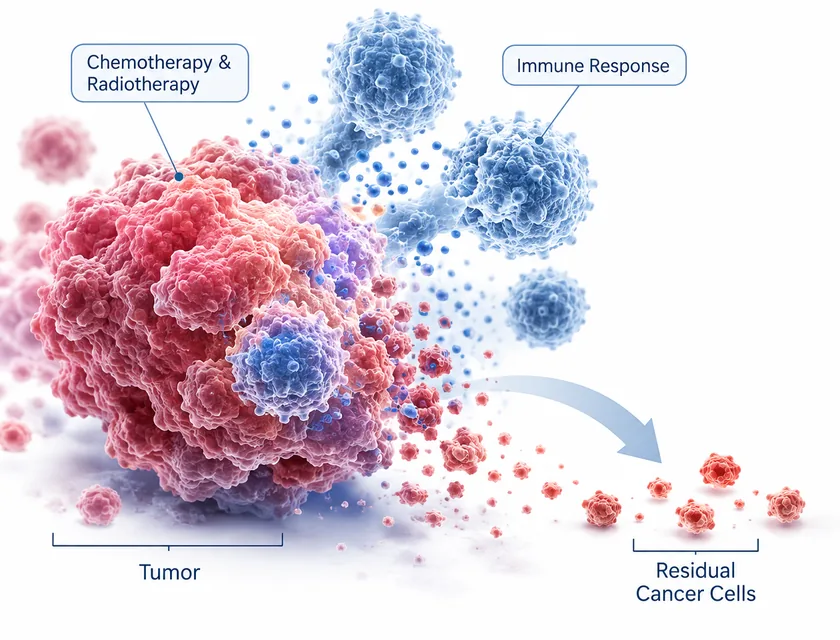
Chemotherapy and radiotherapy mainly kill bulk, fast-dividing tumor cells. Patients often go into remission, yet recurrence and metastasis remain the leading causes of cancer death.

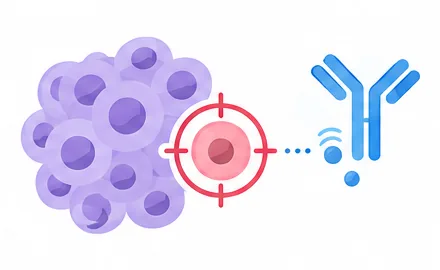
Behind this failure is a small subpopulation — cancer stem cells (CSCs), roughly 0.1–2% of a tumor. They can rest in a dormant state, pump out drugs, repair DNA damage quickly and rebuild an entire tumor.

0.1–2%

of a tumor is made of cancer stem cells

Illustration: chemotherapy and radiotherapy shrink the tumor and the immune system clears many cells, but a few residual cancer cells survive.

02 — Our platform

Isolating cancer stem cells that stay stable

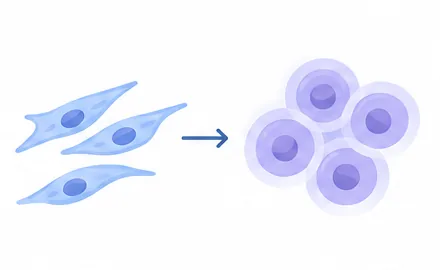
Studying CSCs requires having them. Our team invented a behavioral isolation technique that produces expandable, stable and high-purity CSC line banks — the foundation for the drug discovery and cell therapy work below.

03 — Core to surface

Three targets inside the cancer stem cell

01 · Nucleus

Transcription factors

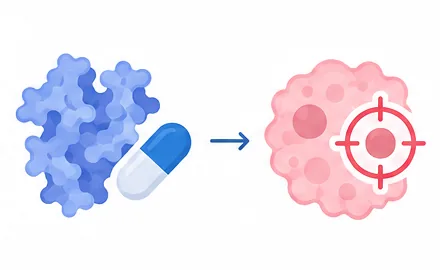
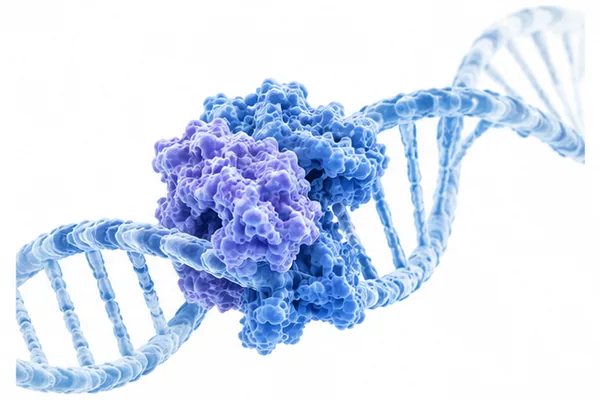
PBX1 (pre-B-cell leukemia transcription factor 1) is a critical regulator of stemness, chemoresistance and metastasis in CSCs. We developed first-in-class small-molecule PBX1 inhibitors that block its DNA-binding activity, weakening the traits that make CSCs resistant.

02 · Metabolism

Metabolic engines

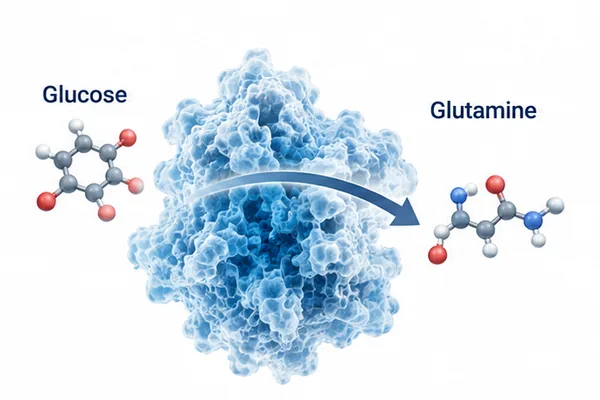
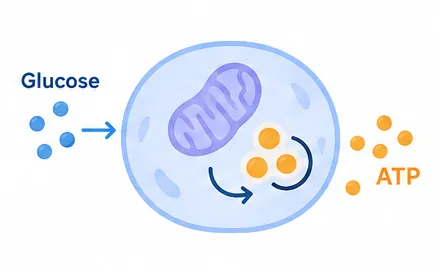
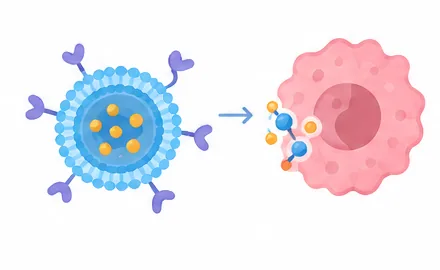
CSCs switch between glycolysis and glutaminolysis depending on their environment. Glutaminase (GLS) inhibitors work synergistically with chemotherapy in CSCs that rely on glutamine, and counteract their metabolic compensation. To reach CSCs in hypoxic, poorly vascularized regions, we use glucosamine-labeled liposomes that exploit GLUT1-mediated transcytosis.

03 · Surface

Neoantigens & immunotherapy

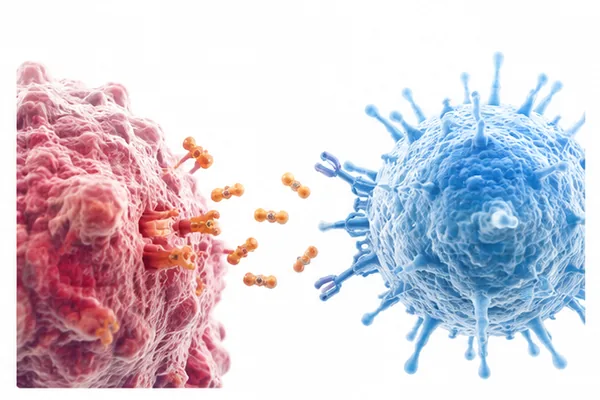
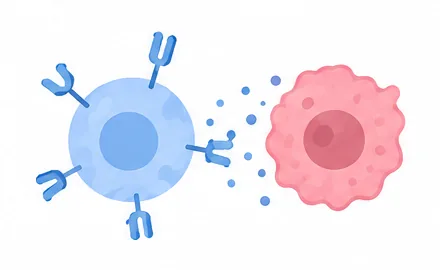
Cancer patients often have weakened immune cells that fail to recognize tumors. We created an anti-CSC immunotherapy that uses CSC neoantigens to train T cells via dendritic cells, aiming to reduce the chance of recurrence and metastasis.

04 — Research areas

Where we work

  • Cancer stem cell biology

    Metabolic reprogramming of CSCs and biomarker discovery for targeted therapy

  • Cancer metabolism

    Metabolic compensation and the microenvironment of therapy-resistant cells

  • Translational research

    Small-molecule inhibitors targeting GLS and PBX1 as cancer therapeutics

  • Cell therapy

    Stem cells for regenerative medicine and immune cells for anti-cancer therapy

  • Nanomedicine

    Targeted delivery of nanobiomaterials to cancer stem cells

  • Induced pluripotent stem cells

    Metabolic reprogramming and anti-cancer applications of iPSCs